What makes a Deer Valley luxury home feel truly exceptional? It is usually not one dramatic feature. More often, it is a series of smart, refined design choices that make mountain living easier, more comfortable, and more beautiful in every season. If you are buying, selling, or simply studying the Deer Valley market, understanding these details can help you spot lasting value. Let’s dive in.
Deer Valley Luxury Starts With Function
In Deer Valley, luxury is closely tied to how a home performs in a resort setting. This is a ski-focused market where convenience matters, and the resort itself highlights features like ski access, ski storage, valet-style services, heated pools, hot tubs, and concierge-style support.
That sets a clear standard for private homes as well. Buyers often respond to properties that reduce friction, especially in winter, while still delivering the polished, elevated feel expected in a premium mountain market.
Park City’s climate helps explain why. With a January mean temperature of 24.1°F and a July mean of 66.6°F, homes here need to handle cold, snow, and seasonal gear without sacrificing comfort or design quality.
Snow-Aware Exterior Design Matters
The best Deer Valley homes look beautiful, but they also look prepared. Park City’s mountain design guidance encourages carefully handled rooflines, covered entries, screened mechanical equipment, and other choices that support both appearance and winter performance.
Simple roof forms tend to read better than overly decorative ones in this setting. Covered entry areas, snow guards, and radiant snow-melt systems are all practical details that fit the local design logic and improve daily use.
This is one reason thoughtful exterior planning can carry real weight in the Deer Valley market. A home that feels easy to arrive at in a snowstorm often feels more luxurious than one that simply looks impressive from the street.
Materials Should Feel Natural
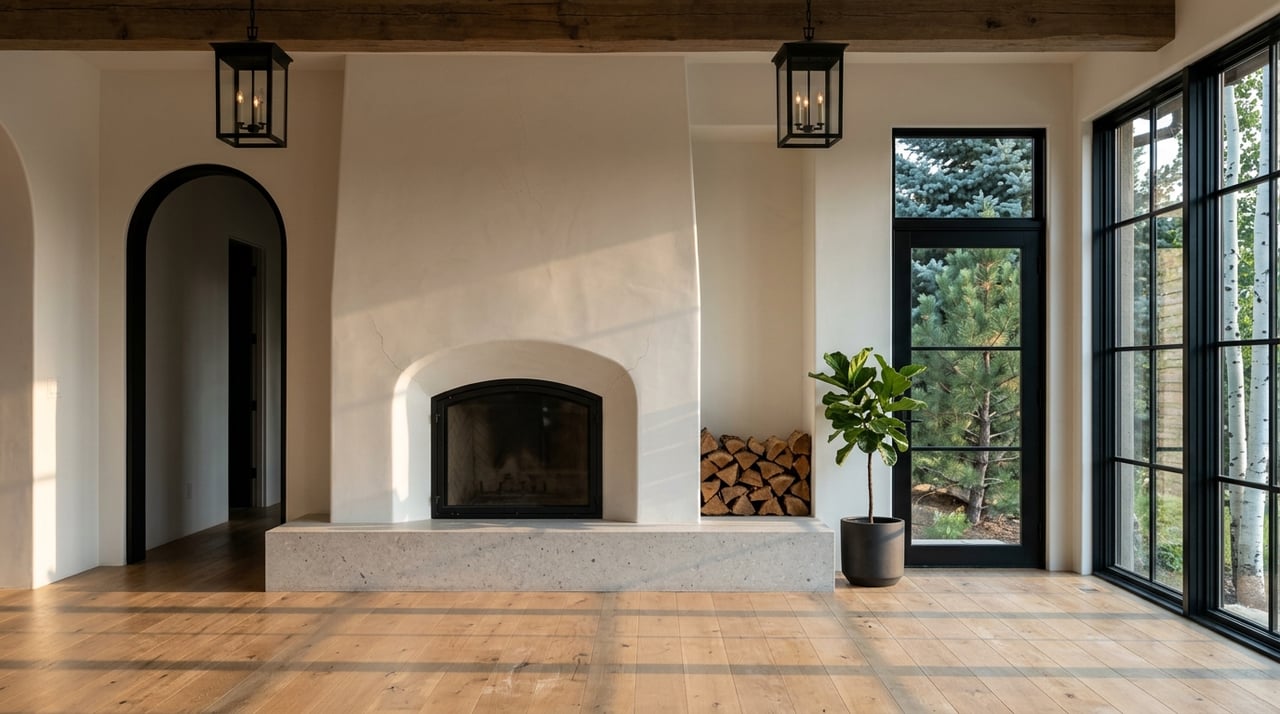
In Deer Valley, luxury design usually leans into materials that feel grounded in the landscape. Natural stone, solid wood, plaster, wire-brushed oak, rough-hewn wood, aged bronze, and brass all support a refined mountain look without feeling overdone.
The strongest homes tend to avoid anything that feels too bright, synthetic, or visually noisy. Park City’s guidance also discourages certain materials and highly visible roof colors, which reinforces the local preference for restraint and durability.
Large Windows Add More Than Drama
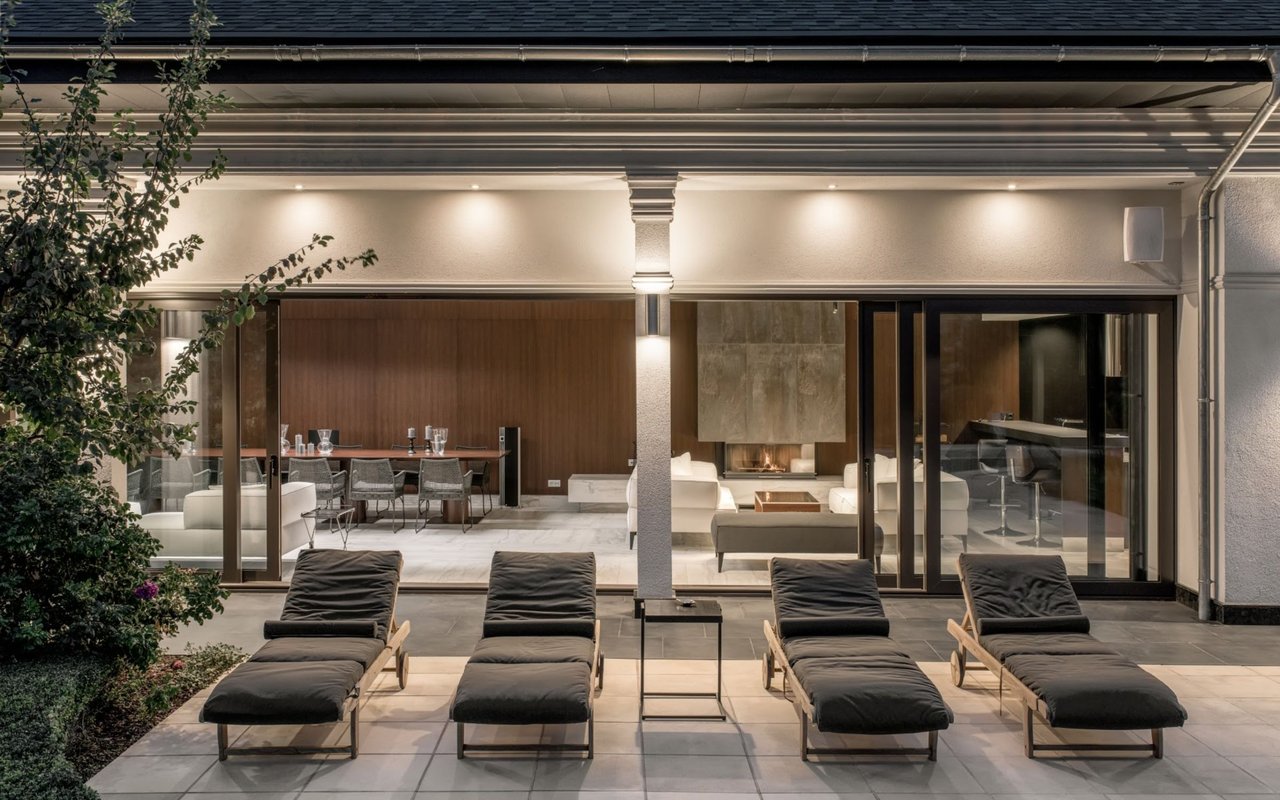
Generous glazing is one of the clearest design signals in Deer Valley luxury homes. Large windows, skylights, and expansive doors bring in natural light, frame mountain views, and make the home feel more connected to the site.
When used well, these features do more than create visual impact. They help the main living areas feel calm, open, and experience-driven, which is exactly what many resort buyers want.
Open Layouts Still Lead the Market
Inside the home, openness continues to matter. National buyer research from NAHB shows strong demand for kitchens open to dining and family spaces, and that preference fits naturally with the way many Deer Valley homes are designed.
A typical luxury layout in this market centers on a great room, a large kitchen island, and dining and living spaces oriented toward views. This kind of plan works well for everyday comfort, après-ski gatherings, and hosting guests without making the home feel formal or rigid.
Open does not mean undefined, though. The best floor plans still create clear zones for cooking, relaxing, dining, and arriving home with winter gear.
Arrival Spaces Are a Luxury Detail
One of the most important design features in a Deer Valley home may be the one you notice first after a day on the mountain. A well-planned arrival space for coats, boots, skis, and bags adds order to daily life and helps the rest of the home stay calm and uncluttered.
That is why ski rooms, mudroom-style entries, ski storage, and heated garages feel so aligned with this market. They support the lifestyle buyers come here for, and they bring a practical kind of luxury that never goes out of style.
Flexible Rooms Add Long-Term Value
Luxury buyers in Deer Valley often want a home that can adapt to guests, family visits, and longer stays. NAHB research shows notable interest in multigenerational layouts, and local luxury design often responds with bunk rooms, secondary suites, guest wings, and media spaces.
Mountain-focused homes also frequently include features like bars, sculleries, spa spaces, and additional guest rooms. These are not just statement rooms. They help a home function smoothly when more people are in residence.
Outdoor Living Is Part of the Home
In Deer Valley, outdoor living is not an afterthought. It is a core part of the luxury experience, especially when outdoor areas are designed to work across seasons.
Patios, covered dining areas, outdoor fire features, and weather-ready gathering spaces continue to show up as defining elements in high-end mountain homes. These spaces extend the home’s living area while creating more ways to enjoy the setting throughout the year.
For many buyers, that matters just as much as what happens inside. A home feels more complete when it offers places to relax outdoors after skiing, entertain on summer evenings, or simply take in the mountain setting in comfort.
Amenity-Rich Living Sets the Tone
Deer Valley’s resort environment has shaped buyer expectations around amenities. Heated pools and hot tubs, fire pits, ski lockers, heated garage parking, fitness-focused spaces, and concierge-style convenience all reflect the kind of ease many buyers associate with top-tier properties here.
Even in a private residence, those ideas influence what reads as high-end. Luxury in Deer Valley often means a home is designed to remove daily hassle, especially during winter, while still feeling warm, polished, and private.
Restraint Defines the Best Homes
One of the most interesting things about Deer Valley luxury is that it rarely depends on excess. The homes that feel most at home here often rely on a restrained palette, strong materials, practical storage, and orientation to light and views.
That balance is important. Instead of leaning on heavy ornament or themed rustic details, many of the most compelling homes pair quiet sophistication with mountain durability.
This is also where design can influence market perception. A home that feels timeless, well-composed, and easy to live in may resonate more strongly than one chasing a short-term trend.
Why These Details Matter for Buyers and Sellers
If you are buying in Deer Valley, these design cues can help you separate surface appeal from deeper value. A beautiful kitchen matters, but so do a heated driveway approach, a covered entry, storage for gear, flexible guest space, and outdoor areas that are usable beyond one season.
If you are selling, these same details can shape how your home is positioned. In a sophisticated luxury market, presentation works best when it highlights not only finishes and views, but also the practical design choices that support the Deer Valley lifestyle.
The market continues to reward homes that feel turnkey, amenity-rich, and closely aligned with resort living. As Deer Valley’s East Village expansion adds more skier services, lodging, residences, retail, dining, and recreation, that connection between home design and convenience becomes even more relevant.
Whether you are evaluating an estate home, a ski-area residence, or land for a custom build, it helps to understand what this market consistently values. If you want guidance on Deer Valley homes, design positioning, or luxury property opportunities in Park City, connect with Park City | Deer Valley - Estates.
FAQs
What design features define Deer Valley luxury homes?
- The clearest features are natural materials, simple snow-aware roof forms, large windows, open great-room layouts, gear-ready arrival spaces, heated garages, and outdoor living areas designed for year-round use.
Why are ski rooms and mudrooms important in Deer Valley homes?
- These spaces support the daily realities of mountain living by giving you organized places for skis, boots, coats, and bags, which helps the rest of the home stay comfortable and functional.
What exterior materials are common in Deer Valley luxury design?
- High-end homes often use natural stone, wood, plaster, and metal finishes like aged bronze or brass because they feel durable, refined, and connected to the mountain setting.
Why do open floor plans matter in Deer Valley luxury real estate?
- Open layouts support entertaining, longer stays, and view-oriented living while keeping the main level comfortable and flexible for both everyday use and hosting guests.
How does Deer Valley’s resort setting influence home design?
- The resort environment raises expectations for convenience, winter performance, and amenity-rich living, which is why features like ski access support spaces, heated outdoor elements, and hospitality-focused layouts stand out in the market.