Choosing between a historic cottage and a newer home in Old Town Park City is not just about age. It is about how you want to live, what kind of ownership experience fits you, and how much value you place on original character versus modern layout. If you are weighing the appeal of Old Town’s past against the convenience of newer construction, this guide will help you understand the difference and make a more confident decision. Let’s dive in.
Old Town Has More Than One Home Style
Old Town Park City is not a single look or a single era. Park City treats its Historic Districts collectively as Old Town, and the city identifies more than 400 historic sites, two National Register Historic Districts, and six historic zoning districts within that system.
That means when you shop in Old Town, you are often looking at a mix of preserved historic homes, renovated historic properties, and newer infill residences. Some homes sit inside district boundaries, while some properties outside those boundaries may still follow the same guidelines if they appear on the Historic Sites Inventory.
Why Old Town Feels Different
Old Town developed around Park City’s mining era, and the land itself shaped the neighborhood. City guidelines describe small homes clustered closely together on steep hillsides near the commercial core, often with raised basements, hillside cuts, and rear accessory buildings.
You can still feel that pattern today. Compared with newer neighborhoods, many Old Town homes feel more compact, more vertical, and more tightly connected to the street and slope.
What Defines a Historic Old Town Home
Many of Old Town’s original homes were built during Park City’s mining-boom period from 1872 to 1929. These homes were often simple, practical, and built quickly with available materials, which is part of what gives the neighborhood its charm today.
Park City’s historic guidelines identify several common house types that still shape the area’s character. If you know these forms, it becomes much easier to spot the difference between an original home, a renovated period property, and a newer build inspired by the district.
Common Historic Home Types
L/T Cottages
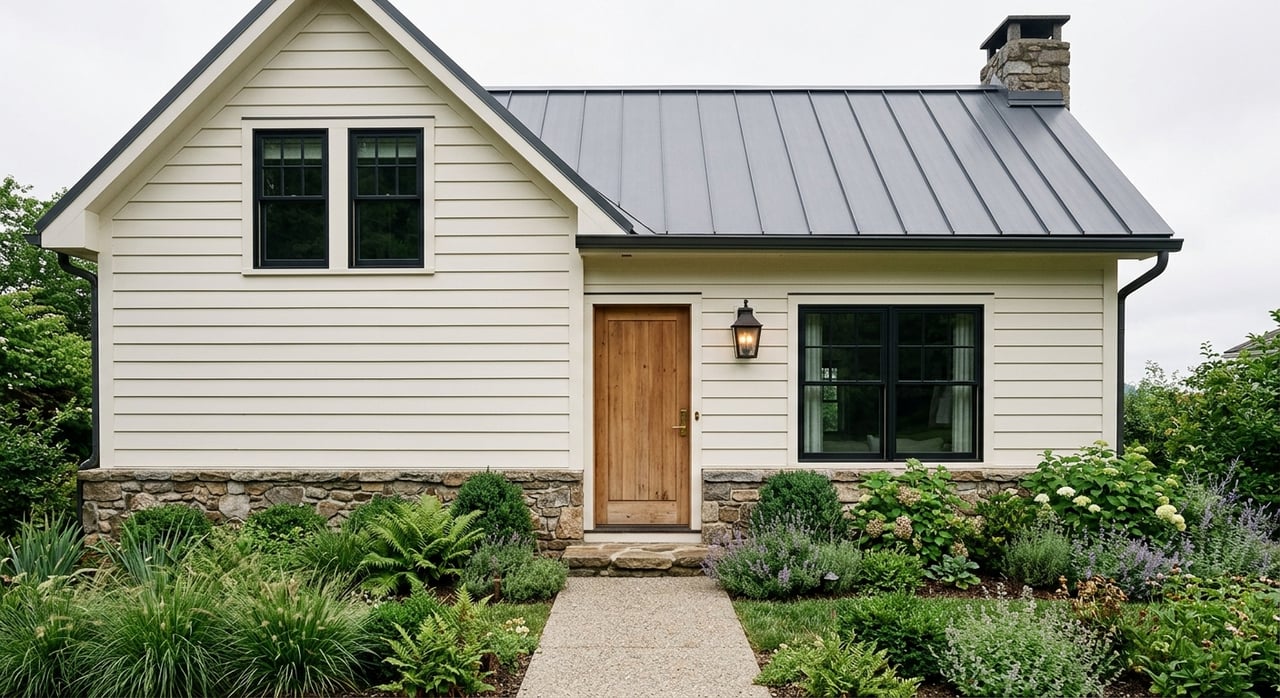
The L/T cottage, also called a cross-wing cottage, is the most common residential building type in Park City. It usually combines a front-facing gable with a side wing set perpendicular to it, often in one story or one-and-a-half stories.
This is the classic miner-era home many buyers picture when they think of Old Town. It often feels modest in scale, rich in personality, and closely tied to the neighborhood’s historic fabric.
Hall-Parlor Houses
Hall-parlor houses follow a simple rectangular plan with two main rooms side by side. They are usually one or one-and-a-half stories and may feature porches across part or all of the front.
These homes often read as straightforward and compact. If you appreciate simple historic form and an intimate footprint, this style may stand out to you.
Gable-Front, Pyramid, and Bungalow Homes
Gable-front houses turn the gable end toward the street and are often one-and-a-half or two stories. Pyramid houses are generally square with a simple hipped roof and a low, balanced shape.
Bungalows arrived later and tend to sit lower to the ground with low-pitched roofs and deeper eaves. Each of these forms contributes to Old Town’s layered residential character.
What Historic Charm Usually Looks Like
Historic Old Town homes often feature frame construction, non-beveled siding, simple rooflines, vertical double-hung windows, porches, and occasional simplified Victorian details. These homes were not typically designed around large open interiors or oversized room dimensions.
In practical terms, that often means you will find a smaller footprint, more defined rooms, and a layout shaped by the home’s original period rather than current design trends. For many buyers, that is exactly the appeal.
The Park City Museum notes that many miners’ cottages were originally built in just days and were not meant to last forever. That helps explain why surviving originals are especially valued today and why ownership can involve a preservation-minded approach.
What a Renovated Historic Home Offers
A renovated historic home often sits in the middle ground between charm and comfort. In Park City, preservation and rehabilitation work can include windows, masonry, roofs, exterior paint, electrical and mechanical updates, insulation, reconstructed historic porches, and restoration of historic features.
For you as a buyer, that usually means the exterior character and neighborhood feel may remain intact while important systems and daily functionality have been improved. This can be a strong fit if you want Old Town authenticity without taking on every challenge that may come with an untouched period home.
It is also worth noting that Park City’s preservation grant framework focuses on maintaining and restoring historic features, not adding entirely new space. New additions are not eligible under that grant program.
What New Builds in Old Town Are Really Like
Newer homes in Old Town are not simply replicas of old miners’ cottages. Park City’s design guidance says new construction should reflect historic character through simple forms, restrained ornament, and unadorned materials, but should not directly imitate historic structures.
Instead, new homes are expected to be visually compatible with surrounding properties in height, width, mass, scale, and setbacks. Larger structures should break up massing and respect the existing street wall.
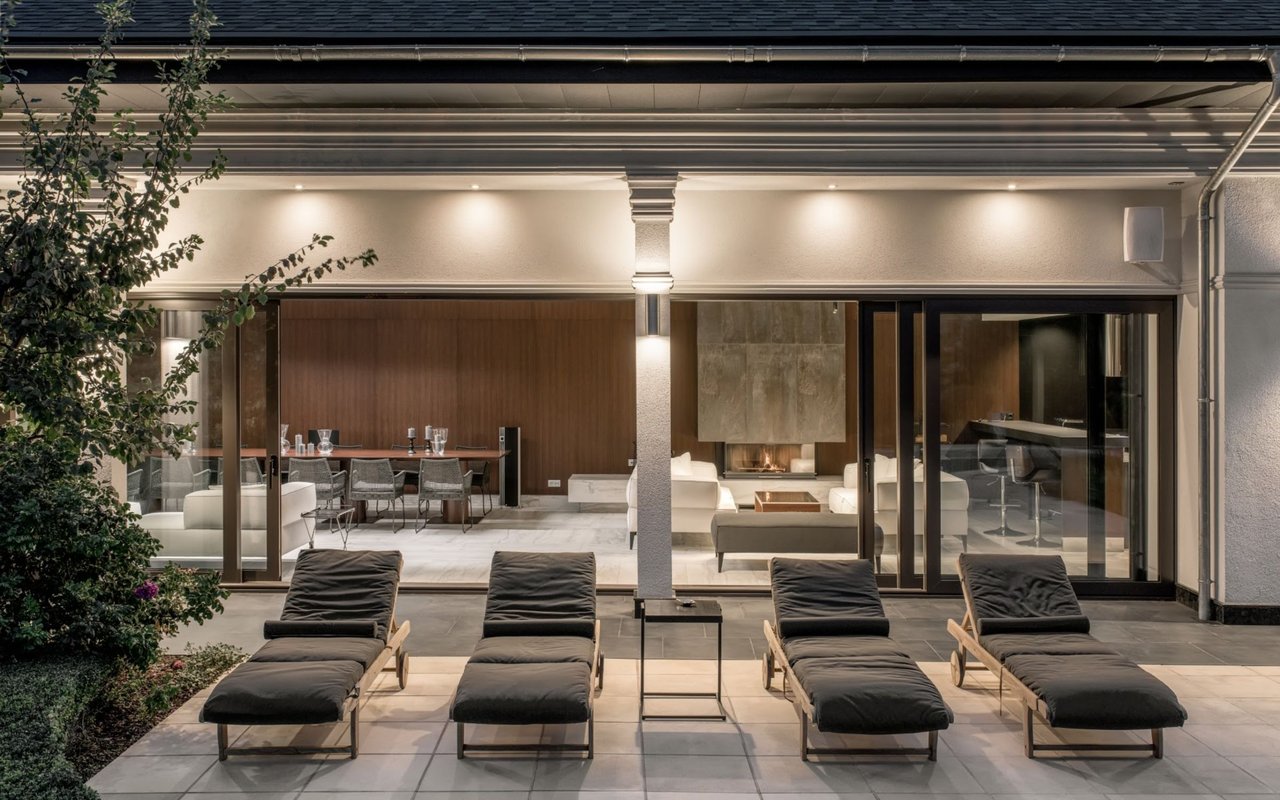
That creates a distinct result. In many cases, a newer Old Town home feels contemporary, but filtered through preservation rules and neighborhood context rather than designed in complete contrast to its surroundings.
Historic Charm vs New Build
If you are deciding between the two, the real question is less about which is better and more about which feels right for your priorities. Both options can offer a strong Old Town lifestyle, but they tend to serve different preferences.
| Feature | Historic Home | Renovated Historic Home | New Build |
|---|---|---|---|
| Character | Original period details and authentic scale | Historic feel with selective updates | Contemporary interpretation shaped by local guidelines |
| Layout | Often smaller and more compartmentalized | Usually improved for modern living | Typically more modern in flow and function |
| Maintenance Outlook | May require more preservation-minded upkeep | Often updated systems reduce some near-term work | Often lower immediate-maintenance baseline |
| Design Rules | May be subject to local historic review | May be subject to local historic review | Must be compatible with district standards |
| Best Fit | Buyers drawn to authenticity and history | Buyers wanting character plus usability | Buyers wanting modern living in an Old Town setting |
Questions to Ask Before You Choose
Before you move forward on any Old Town property, it helps to step back and think about your long-term fit. A beautiful home on first showing can feel very different once you consider renovation limits, maintenance expectations, and the type of living experience you want year-round or seasonally.
Here are a few smart questions to ask yourself:
- Do you want original character, even if the layout is less open or less flexible?
- Would you prefer a historic exterior with updated systems and livability?
- Do you want a more contemporary floor plan while still living in Old Town?
- Are you comfortable with the review process that may apply to exterior changes?
- Is lower immediate maintenance important to you?
- Are you buying primarily for personal use, a second-home lifestyle, or long-term investment goals?
Know the Local Rules Before You Buy
This step matters in Old Town. Park City’s Historic Preservation Board reviews design applications for new construction, additions, and exterior work in applicable areas.
Also, not every Old Town home is historic, and not every rule comes from the same designation. Park City makes a clear distinction between honorary National Register listing and local designation, with local historic-site status carrying the city’s actual benefits and restrictions.
If you are looking at a designated Historic Site, demolition is not something an owner can simply decide to do. Park City says Historic Sites may not be demolished without going through a rigorous permit process.
Which Buyer Usually Prefers Each Option
Historic cottages often appeal to buyers who value authenticity, smaller scale, and a more preservation-oriented ownership experience. These homes can feel deeply connected to Old Town’s identity and may suit buyers who see character as a major part of the property’s value.
Renovated historic homes usually fit buyers who want the atmosphere of Old Town with more day-to-day functionality. You still get a home tied to the district’s historic feel, but with upgrades that can make ownership more comfortable.
New builds often attract buyers who want a more contemporary layout and a lower immediate-maintenance baseline while staying in Old Town. If your priority is ease, flow, and newer construction standards, this category may be the better match.
The Right Choice Depends on Your Version of Old Town
Some buyers fall for the compact scale, porch details, and lived-in story of an original cottage. Others want that same location and energy, but with updated systems or a more modern floor plan.
That is what makes Old Town Park City so compelling. It offers a spectrum of ownership options, from preserved historic homes to carefully renovated properties to newer infill residences that still need to respect the neighborhood’s visual rhythm.
When you understand those differences, you can shop with more clarity and avoid confusing charm with fit. In a market as nuanced as Old Town, that local perspective matters.
If you are comparing historic cottages, renovated homes, or newer infill in Old Town Park City, Park City | Deer Valley - Estates can help you evaluate the tradeoffs, understand the neighborhood context, and find the property that fits your lifestyle and goals.
FAQs
Are all Old Town Park City homes historic?
- No. Old Town includes historic districts and historic sites, but it also includes newer or non-historic properties.
Can you tear down a historic home in Old Town Park City?
- Not without going through Park City’s demolition approval process for Historic Sites.
Does National Register status restrict an Old Town Park City homeowner?
- National Register listing alone is honorary. Park City says local historic-site designation is what carries city benefits and restrictions.
Do new homes in Old Town Park City have to look old?
- No. New construction should be compatible with surrounding historic character, but Park City specifically says it should not directly imitate historic structures.
What is the most common historic house type in Park City?
- The L/T cottage, also called the cross-wing cottage, is identified by Park City as the most common residential building type.
What kind of buyer usually prefers a renovated historic home in Old Town Park City?
- Renovated historic homes often appeal to buyers who want Old Town character and setting with more updated systems and everyday functionality.