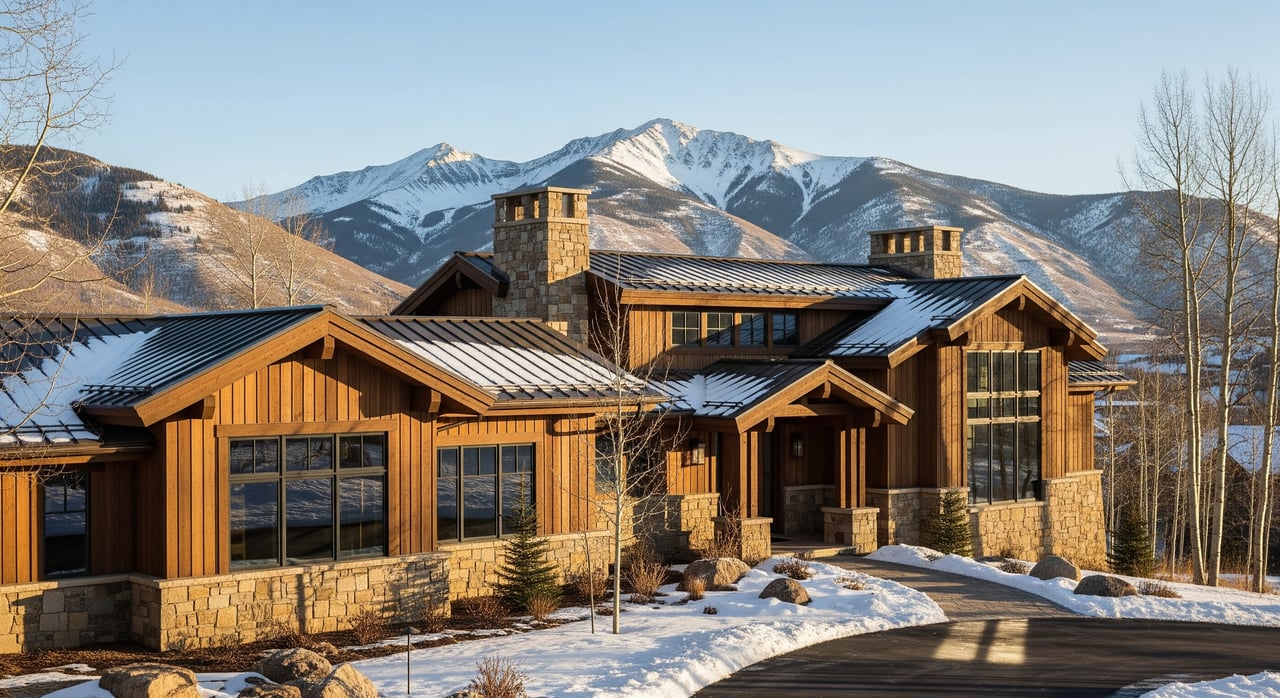
Snow, sun, and elevation make Park City beautiful, but they also test your home. If you own a primary or second home here, you know winter arrives early, stays late, and brings heavy snow and intense freeze–thaw cycles. With a focused plan, you can protect your home’s value, avoid mid‑season emergencies, and keep things comfortable for your family and guests. This guide gives you a clear, seasonal checklist tailored to Park City so you can stay ahead of the weather. Let’s dive in.
Why Park City’s climate demands a plan
At roughly 7,000 feet, Park City faces long, cold winters, big snow events, and powerful sun. Those conditions strain roofs, gutters, exterior finishes, and paved surfaces. Freeze–thaw cycles can lift shingles, open cracks, and cause ice dams where roof edges stay cold and warm air leaks from the living space.
Indoor comfort also takes attention. Cold, dry air means you will likely run heat higher and use humidification to protect wood finishes and keep the air pleasant. Many local homes include boilers or radiant heat, fireplaces, and sometimes heated driveways. Each system benefits from proactive service before winter.
Your seasonal maintenance checklist
Fall: Pre‑winter priorities
- Inspect the roof. Look for loose or missing shingles, membrane issues, and flashing gaps around chimneys and vents. Schedule repairs before the first heavy snow.
- Clean gutters and confirm drainage. Clear leaves and debris so meltwater can move away from the roof and foundation. Consider guards if trees overhang the home.
- Review insulation and attic ventilation. Seal air leaks at the ceiling plane and confirm continuous insulation with clear soffit and ridge ventilation. This is the primary defense against ice dams.
- Test heat tape and roof de‑icing. Have a licensed electrician service circuits on eaves, valleys, and gutters. Turn systems on briefly to confirm sensors and controls work.
- Service heating systems. Schedule annual maintenance for your furnace, boiler, or heat pump so it runs safely and efficiently all winter.
- Service chimney and fireplace. Clean creosote, inspect flues and caps, and test gas logs and seals before first use.
- Protect exterior plumbing and irrigation. Winterize outdoor faucets and drain sprinkler lines. Insulate any exposed or exterior‑wall pipes.
- Stock winter supplies. Keep a roof rake, ice melt approved for your surfaces, spare filters, flashlights, and generator fuel on hand.
Winter: Active snow season
- Watch roof snow loads. After big storms or wind events, assess snow depth and drifting. Hire insured professionals for removal on steep or complex roofs.
- Stay ahead of ice dams. Keep lower roof edges and gutters clear using a roof rake from the ground. Monitor and maintain heat‑tape circuits.
- Manage indoor humidity. Use built‑in humidifiers per manufacturer guidance to protect woodwork and reduce static without causing condensation.
- Test backup power. Check generators and battery backups regularly so heat stays on during outages. Confirm transfer switches and fuel levels.
- Maintain safe access. Clear walkways and driveways promptly. If you have a heated driveway, verify sensor and control operation throughout the season.
- Check for leaks or condensation. After storms, look in the attic for moisture and in living areas for water stains so you can address issues early.
Spring: Thaw and repair
- Inspect roof and attic. Look for signs of winter damage, including staining, loose flashing, and compressed insulation.
- Clean and repair gutters and flashing. Fix winter dents, gaps, or separations so spring runoff flows away from the house.
- Assess masonry and foundations. Identify freeze‑thaw cracks and adjust grading or drainage to keep water moving away.
- Refresh exterior finishes. Check deck fasteners, railings, stain, and paint. Elevation and sun accelerate wear.
- Service water systems. Flush sediment from wells, softeners, and pressure tanks if applicable.
Summer: Preventive care and prep
- Care for decks and wood. Wash, repair, and re‑stain as needed to protect against UV and daily temperature swings.
- Tune site drainage and landscaping. Reset swales and stonework after frost heave. Maintain erosion control where runoff concentrates.
- Service cooling and filtration. Clean ducts and condensate lines and replace filters. Update thermostat schedules for summer.
- Pre‑season check for ski season. If you use the home seasonally, confirm winterization is reversed correctly and gutters are clear before fall.
Year‑round essentials
- Keep service contracts active. HVAC or boiler, chimney, generator, snow removal, and roof or gutter services reduce emergencies and document care.
- Maintain an emergency contact list. Include a local point of contact, trusted trades, your insurer, and access instructions.
- Document systems and warranties. Store serial numbers, manuals, and photos to streamline service calls.
- Revisit insulation and air sealing. Every 3 to 5 years, evaluate performance and address settling or new penetrations.
Absentee owner playbook
If you live out of state or visit seasonally, a few steps go a long way.
- Assign a trusted local contact or property manager with written authority for emergency decisions.
- Add remote monitoring: smart thermostats, water‑flow or freeze alarms, cameras, and power alerts.
- Leave clear access instructions, labeled shutoffs, and keys with your local contact.
- Set standing service contracts for snow removal, HVAC, chimney, generator, and seasonal roof checks with defined response times and photo reports after visits.
Ice dams and snow loads: what to know
Ice dams happen when warm air escapes to the roof deck and melts snow that refreezes at cold eaves. The most reliable fix is to keep the roof deck cold and control heat loss.
- Air seal the ceiling plane to stop warm air from reaching the attic or roof deck.
- Increase attic insulation to cold‑climate levels and keep it continuous.
- Provide soffit and ridge ventilation so cold air moves across the roof deck.
- Use heat tape only as a targeted supplement on eaves, valleys, and gutters.
- Hire professionals to remove heavy or hazardous ice.
Roof snow loads are determined by local codes and standards. Conditions vary across Summit County based on elevation, exposure, and roof geometry. If you see sagging, repeated leaks, or unusual drifting, consult a licensed structural engineer, especially before changing roof configurations.
Safety, permits, and choosing pros
Roof work on snow and ice is high risk. Use insured contractors with workers’ compensation and liability coverage, and get a written scope and estimate.
Electrical heat‑trace and heated driveways draw significant power. Have a licensed electrician size and install circuits with proper sensors and controls. Generators require transfer switches and routine testing. Always follow carbon monoxide safety guidance when equipment operates near living areas.
Some upgrades, like rooftop mechanicals, electrical additions, or structural changes, may require permits from Park City or Summit County. Check requirements before work begins.
Budget and service contracts
Budget for fall servicing and set aside an emergency reserve for heavy‑snow years or freeze events. Consider that capital projects, like improved insulation, humidification, or a heated driveway, carry upfront costs but can reduce risk and improve comfort.
When you vet vendors, look for a valid Utah license, local references in Summit County, proof of insurance, and experience with steep roofs, heated systems, and snow loads. Ask for documented maintenance checklists and post‑service photos, which are especially helpful if you live out of town.
Ready‑to‑use checklists and vendor templates
Want this guidance in a simple one‑page checklist you can share with your caretaker team and vendors? Ask us for a printable seasonal checklist and an editable vendor info template you can keep with your home records.
A clear plan protects your mountain home and saves time when winter hits hard. Whether you live here full time or visit for ski season, the right maintenance keeps daily life smooth and prevents costly surprises. If you want a local point of view or referrals to trusted pros, our team is here to help.
Ready to build your plan for Park City living? Connect with us at Park City | Deer Valley - Estates.
FAQs
How do I prevent ice dams on a Park City home?
- Air seal and insulate the attic, maintain soffit and ridge ventilation, use heat tape selectively, and remove lower roof snow with a roof rake.
How often should I remove roof snow in Park City winters?
- After heavy storms or when you see drifting or unbalanced loads; steep or complex roofs should be cleared by insured professionals.
What should an absentee owner do before leaving for winter?
- Winterize irrigation, set smart thermostat and freeze or water‑flow alerts, assign a local contact, and activate service contracts with defined response times.
Do heated driveways eliminate shoveling and ice?
- They reduce manual clearing but still need inspections, working sensors and controls, and occasional clearing during extreme events.
When should I call a structural engineer in Summit County?
- If you notice sagging, repeated leaks, unusual drift patterns, or plan to alter roof geometry that could change snow load behavior.