If lift access is the reason you buy in Canyons Village, the daily walk matters more than the brochure. You want a simple, honest read on what “close to the lifts” really means in Park City, UT. In this guide, you will get realistic walking-time ranges, how shuttles change the equation, and a checklist to evaluate any condo or townhome. Let’s dive in.
How Canyons Village is laid out
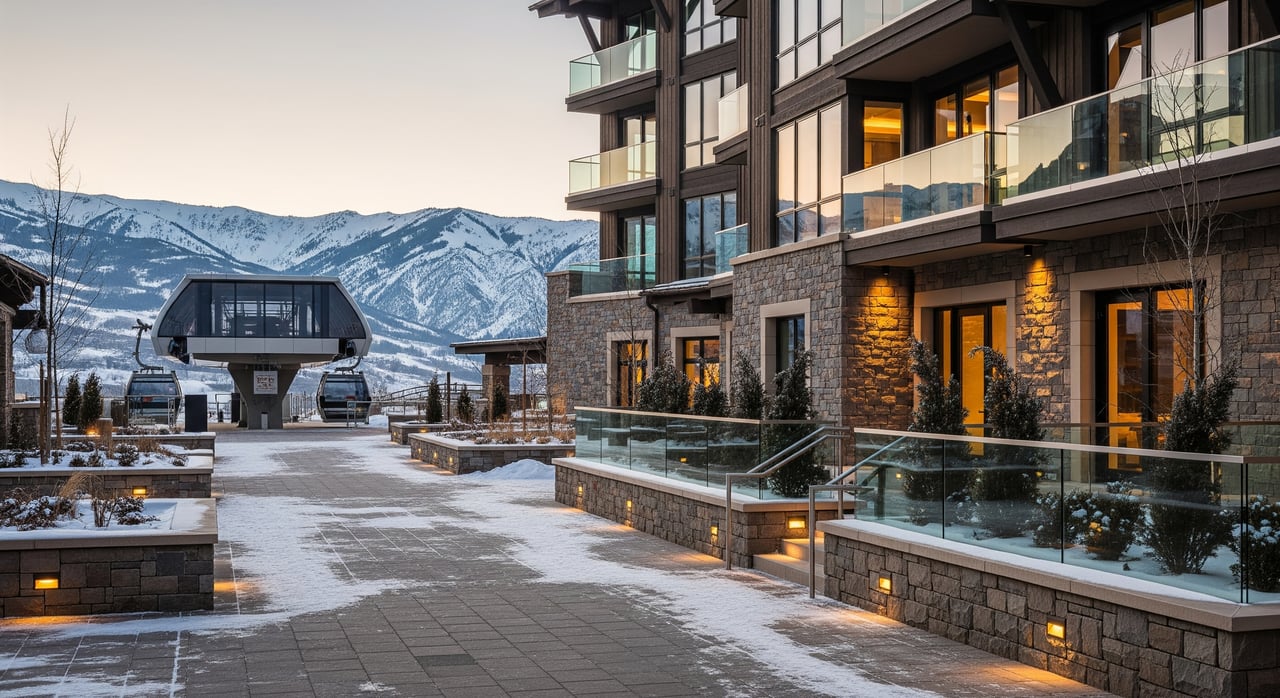
Canyons Village centers around a compact lift plaza with hotels, condos, and townhomes radiating out from it. As you move away from the core, sidewalks and paths connect housing clusters to the plaza and to shuttle stops. Many listings mention lift access, but the real experience varies with distance, slope, and winter maintenance. Your goal is to translate marketing language into an everyday routine you will enjoy.
What walkability means here
In mountain towns, 0.3 miles on flat ground is not the same as 0.3 miles uphill in ski boots. Snow and ice slow things down, and stairs or ramps can add effort. Sidewalks near the core are typically plowed first, while side streets and shared driveways may be cleared later. A property that feels easy in summer can feel borderline in winter without a shuttle.
A simple map in your head: four rings
Use these typical rings to frame your search. Times are realistic ranges and can change with weather, grade, and maintenance.
Ring A: 0–200 yards (0–3 minutes)
- Typical: village-core condos and hotels next to the lift plaza.
- Routes: paved plaza, usually step-free with minimal stairs.
- Experience: often true ski-in/ski-out in winter when groomed paths are active.
Ring B: 200–600 yards (3–8 minutes)
- Typical: near-village condos and some townhomes along lower pedestrian corridors.
- Routes: short sidewalks or boardwalks with modest grade changes or a few steps.
- Experience: comfortable daily walk for most buyers. Check for winter plowing and lighting.
Ring C: 600 yards–0.75 mile (8–20 minutes)
- Typical: larger townhome clusters and condo complexes just outside the core.
- Routes: mixed sidewalks and shared driveways, often with an uphill segment.
- Experience: walkable in summer, borderline in winter unless you use a shuttle.
Ring D: 0.75–1.5+ miles (20+ minutes or shuttle)
- Typical: outlying neighborhoods and upper-elevation homes.
- Routes: local streets that may not have continuous sidewalks.
- Experience: usually a walk plus shuttle or a short drive for daily lift use.
Routes, stairs, and winter maintenance
Not all sidewalks are equal on a powder morning. Primary pedestrian connectors near the plaza are typically cleared first, while secondary routes can include stairs, steeper grades, or mixed-use drives. Ask who clears the exact path you will use and how soon after storms it is serviced. Good lighting and marked crosswalks add comfort when returning after afternoon laps or evening events.
Shuttles that change the equation
Park City’s free municipal transit and resort shuttles generally run more frequently in winter. Most stops sit at hotel front drives, large condo entries, or resort parking nodes. Properties with an on-property stop or a guaranteed HOA shuttle can feel as convenient as Ring A or B during peak times. Always review the stop location and seasonal frequency so your routine matches your expectations.
Ski-in/ski-out vs walk-to-lift
“Ski-in/ski-out” usually means you can step onto marked snow or a groomed ski path from the property and reach a lift without removing skis. “Walk-to-lift” means pavement or road walking is part of the route. Ask a seller or manager to demonstrate the exact path, including any road crossings or stairs. If a claim depends on a seasonal path, confirm it operates during your intended use period.
Seasonal shifts you should plan for
Winter
Lifts serving Canyons Village are typically active in season, and shuttles increase frequency at peak hours. Snow and ice can add minutes to your walk and make stairs tricky, so route maintenance is key. If ski school access matters, being close to the main plaza or having a direct shuttle helps with drop-offs and pick-ups.
Shoulder seasons
Lift operations and shuttles can scale back, sometimes to weekend-only or partial service. Melt-freeze cycles can create icy patches even when it looks clear mid-day. If you will use the property in early or late season, plan for more variability.
Summer
Select lifts and gondolas may run for hiking and biking, but not all winter access points are active. Municipal transit often continues at reduced frequency. Without snow and ice, most Ring C walks become easy, which can broaden your options if summer use is important.
What to check at each property
Use this buyer-focused checklist to turn distance claims into daily convenience.
A. Route and distance verification
- Exact route from your door to the nearest lift entrance, including stairs, ramps, and any unplowed stretches.
- Measured distance and typical walking time in summer and winter. If possible, do a timed winter walk.
- Elevation change along the route, especially if the return is uphill after skiing.
B. Building and site features
- Elevator access and whether the shortest path is step-free in ski boots.
- On-site ski storage or lockers near the lift-side exit.
- On-property or guaranteed shuttle stop at the main entrance.
- Guest parking location and its distance to the route you will actually use.
C. HOA and operations
- Snow removal responsibilities and typical clearing schedule for sidewalks and stairs.
- Shuttle agreements and whether stops are formalized and year-round or winter-only.
- Guest and short-term rental policies that affect arrival, parking, and shuttle use.
D. Accessibility and safety
- ADA-friendly alternatives and whether a step-free route exists.
- Pathway lighting for early mornings and evenings.
- Crosswalks and intersections you must use, plus perceived safety at those points.
E. Marketing language to test
- “Ski-in/ski-out” claims, with a demonstration of the ski path and any road crossings.
- “Short walk” statements, verified with a winter timed walk rather than a summer map.
- “Shuttle access,” with actual stop placement and peak-hour frequency.
Realistic door-to-lift timing
Plan on about 0–3 minutes in Ring A when lifts and paths are active. Expect 3–8 minutes for most near-village locations in Ring B. Ring C often runs 8–20 minutes depending on grade and stairs, which can feel long on icy mornings without a shuttle. A reliable stop at your entrance can make Rings C and D feel much closer during winter peaks.
Buyer tradeoffs and lifestyle fit
Paying a premium for immediate adjacency gives you first-chair mornings and simple ski school logistics. Choosing a slightly farther property with strong shuttle service can deliver savings and more space for gear. If you plan year-round use, a summer-easy walk might outweigh winter adjacency. Features like elevators, ski lockers, and lighting often matter as much as the raw distance.
Verify before you buy
Lift operations, shuttle schedules, and HOA policies can change each season. Review the resort’s current lift status and seasonal schedule, check municipal transit routes, and read HOA documents for snow removal and shuttle details. The most reliable test is simple: visit in winter, time the door-to-lift walk in the morning and the return in the afternoon. Request a curated shortlist of properties near Canyons Village core and you will get measured door-to-lift times, route notes, and on-site shuttle details tailored to your needs.
Ready to find the right fit near the lifts? Reach out to Park City | Deer Valley - Estates for a concierge-level shortlist with verified walking times, route profiles, and seasonal insights.
FAQs
How long is the walk from most near-village condos to the lifts in Canyons Village?
- Typical Ring B properties are about 3–8 minutes on foot, with winter conditions and stairs adding time.
What counts as true ski-in/ski-out in Canyons Village?
- You can step onto marked snow or a groomed path from the property and reach a lift without walking on pavement or removing skis.
Can I rely on the free shuttle instead of being slopeside?
- Yes, if the stop is at your entrance and runs at the times you ski, though peak periods can be crowded and schedules change by season.
How do seasons change shuttle frequency and lift access near Canyons Village?
- Winter typically brings more frequent shuttles and full lift operations, while shoulder and summer seasons often reduce both.
How can I confirm winter sidewalk clearing and lighting for a specific building?
- Review HOA documents and observe the route on-site after a storm to see clearing priorities and lighting coverage.
Is summer walkability different than winter around Canyons Village?
- Yes, without snow and ice most Ring C routes feel easy in summer, while winter can add minutes due to grade, stairs, and traction.